



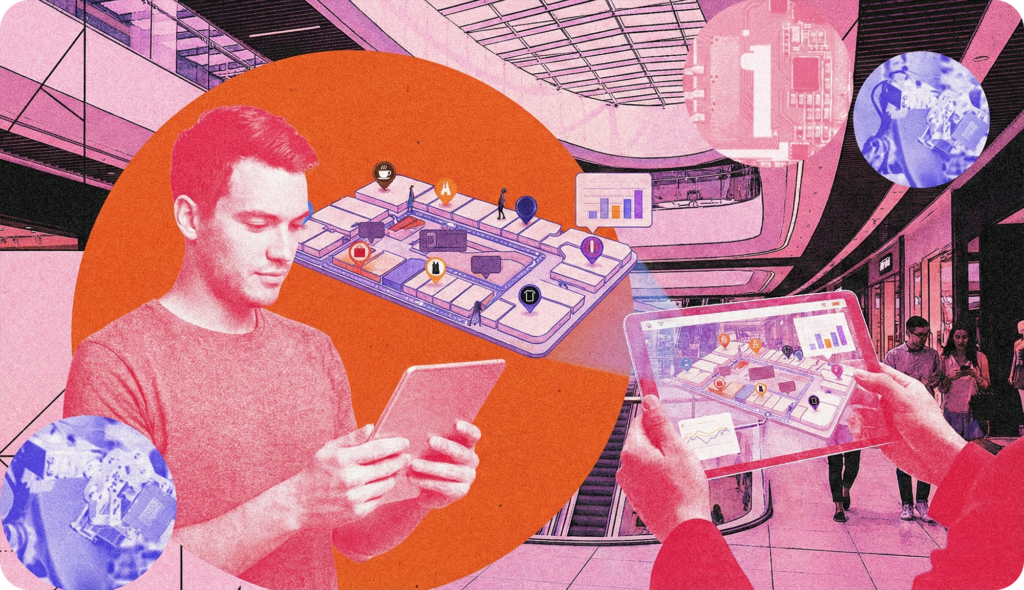
Walk into a modern shopping center and notice what’s missing. Not the crowds. Not the stores. Look closer at how people move – hesitantly checking paper directories, squinting at dated kiosks, or endlessly scrolling their phones for store locations that should be obvious. This friction costs millions in lost sales annually, yet most venues still operate on 20-year-old wayfinding technology.
The gap between customer expectations and venue capabilities has never been wider. While consumers navigate complex digital experiences daily, many physical spaces remain stubbornly two-dimensional. Advanced 3D mapping software is reshaping how businesses engage visitors, convert foot traffic into revenue, and extract actionable intelligence from every interaction.
Why Traditional Mapping No Longer Works
Static directories and basic 2D maps fail the moment real complexity enters the picture. A shopping center hosts a holiday market requiring dynamic space allocation. An airport terminal undergoes renovation while maintaining passenger flow. A university schedules overlapping events across dozens of buildings.
The result? Confusion that directly impacts your bottom line.
The global 3D mapping and modeling market reached $8.58 billion in 2025 and projects to nearly double by 2030. This isn’t a future trend – it’s infrastructure being deployed right now that will define competitive advantage in 2026.
Three Revenue-Driving Advantages
Immersive Navigation Keeps Visitors Engaged
3D mapping software transforms confusing floor plans into intuitive journeys. Visitors see realistic representations of your space, understand vertical navigation across multiple levels, and receive turn-by-turn directions that actually work.
Modern implementations adapt in real time. Wheelchair-accessible routes appear automatically. Occupancy data reroutes traffic during peak periods. Event-specific pathways activate based on schedules. The result: visitors spend less time lost and more time engaging with your offerings.
Analytics That Prove ROI
Every interaction generates valuable intelligence. Where do visitors actually go? Which search terms dominate? How long do people dwell before making purchase decisions?
This data transforms guesswork into strategy:
- Identify underperforming areas needing promotional support
- Make tenant mix decisions based on actual traffic patterns
- Measure real foot traffic impact of marketing campaigns
- Optimize layouts using movement data, not assumptions
Marketing Integration That Converts
The most sophisticated 3D mapping software functions as a revenue engine. Location-based promotions trigger as visitors approach relevant areas. Search behavior informs real-time advertising placement. Geofenced notifications deliver time-sensitive offers based on current position.
A visitor searching for “coffee” sees nearby cafes with wait times and loyalty benefits. Someone lingering near electronics receives flash sale alerts. The system connects demonstrated interest with immediate opportunity.
What Implementation Actually Requires
Successful deployment centers on three essentials: accurate spatial data from LiDAR scanning, omnichannel access across mobile and kiosks, and integration with your existing systems. Modern platforms handle the technical complexity while you focus on business outcomes.
The real question isn’t “can we implement this?” but rather “how quickly can we start capturing value?”
The MapVX Difference
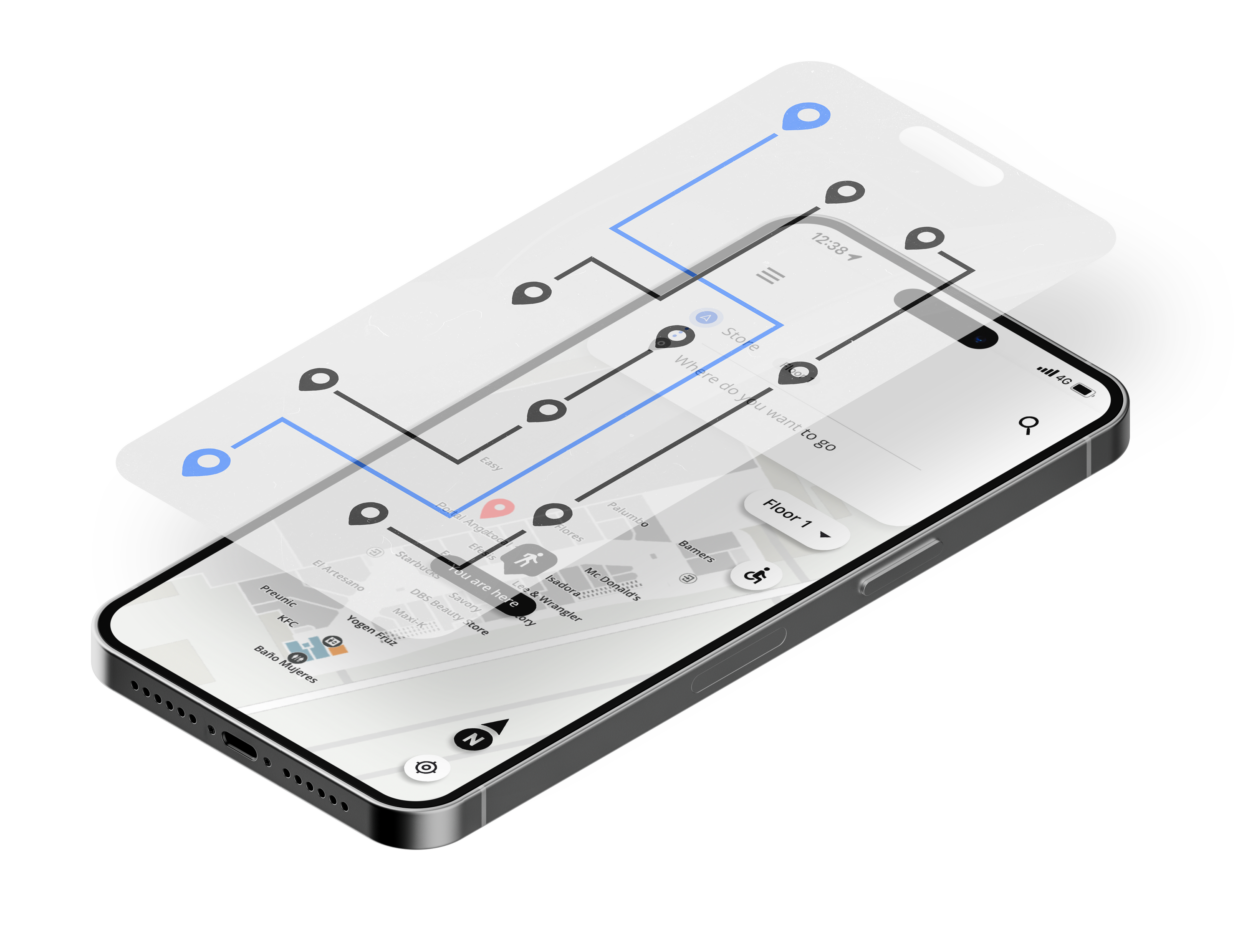
MapVX delivers spatial intelligence as a complete revenue platform, not just a mapping tool.
Integrated Marketing Tools Create targeted ad campaigns triggered by location, time, or behavior. Deploy geofenced promotions that activate as visitors enter zones. Track performance through analytics dashboards measuring actual foot traffic impact alongside digital engagement.
Operational Intelligence Heat maps reveal traffic patterns throughout your property. Search trend analysis identifies emerging visitor interests before they become obvious. Dwell time measurements show which areas drive engagement versus which need intervention.
Enterprise Support That Scales Dedicated customer success teams guide you from spatial data capture through multi-platform deployment. The platform scales seamlessly from pilot projects to multi-property portfolios with modular expansion – start with basic wayfinding, add promotional capabilities as you measure impact, then expand to advanced features.
AI-Powered Assistance Built-in AI assistants support guests naturally and conversationally in real time, helping them locate destinations or products through text, voice, or photo interaction. Custom-trained on your specific property information for accurate, detailed responses.
The Cost of Waiting
Major airports have deployed advanced wayfinding. Leading retail properties leverage spatial analytics for tenant placement. Universities guide prospective students through virtual campus tours. Your competition is capturing these advantages right now.
Consider what delay costs you:
- Lost sales from visitors who can’t find destinations
- Staff time wasted on manual updates and giving directions
- Decisions made on intuition rather than evidence
- Competitive disadvantage as others optimize their spaces
Implementation timelines measure in weeks, not months. The technology maturity curve has reached the point where hesitation creates disadvantage rather than prudence.
Making It Happen
The businesses that will thrive in 2026 treat their physical spaces as digital-physical hybrids requiring integrated technology strategies. They’re investing in spatial intelligence not as a nice-to-have amenity but as essential infrastructure that directly impacts revenue.
Start by identifying your biggest wayfinding pain points. Where do visitors get lost? Which areas underperform? What events create confusion? These friction points become your immediate use cases for measurable impact.
The most successful implementations treat launch as a beginning. Monitor analytics continuously, test promotional approaches systematically, and optimize based on actual visitor behavior. Spatial intelligence improves over time as you learn what works in your specific environment.
Ready to transform your space with intelligent 3D mapping that drives engagement and revenue? Book a demo with MapVX today and discover how spatial intelligence can revolutionize your operations.